Most travellers get a headache or poor sleep in the first two nights. A slow first day, lots of water and no alcohol keep it mild.
What altitude sickness feels like
The body needs a few days to adjust to thinner air. Common early signs are a headache, light dizziness, a poor night’s sleep, a dry nose and being out of breath on stairs. They usually ease within two or three days. Everyone reacts differently, and age and fitness do not predict who will feel it.
How a good itinerary handles it
Sleep no more than a few hundred metres higher each night where possible. The Everest route goes Lhasa, Shigatse, then Tingri at 4,300 m before base camp.
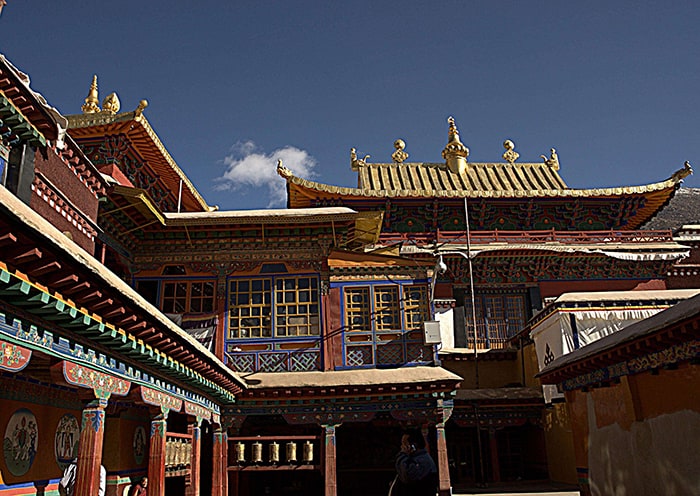
Walk slowly, drink water, sleep early. Save the Potala Palace stairs for day two or three.
A flexible day in the middle gives you somewhere to recover if you need it.
What helps on the ground
À faire
- Drink water often and eat light meals
- Walk slowly and rest on stairs
- Dress in layers and keep your head and neck warm
- Tell your guide early if you feel unwell
À éviter
- Drink alcohol on the first nights
- Take hot, long showers on arrival
- Climb or exercise hard on day one
- Ignore a worsening headache
If you want to take preventive medication, speak to your own doctor before you travel. We do not give dosing advice. Oxygen travels in every vehicle on our tours, and several hotels offer oxygen-enriched rooms or bottled oxygen.
When to ask for help
Tell your guide at once if you have
- A severe or worsening headache that painkillers do not ease
- Vomiting that does not stop
- Breathlessness at rest
- Confusion, stumbling or an unusual lack of balance
- Chest tightness or a persistent wet cough
These can be signs of serious altitude illness. The usual remedy is to rest or go down. Your guide will arrange a doctor or a lower altitude, and we would much rather change a day than push on.
Indiquez vos dates et nous répondrons avec un plan et le calendrier des permis.
Frequently asked questions
How long does it take to adjust?
Most people feel better after two to three days at the same height. Going higher resets the process in part, so we go up in steps.
Should I fly or take the train?
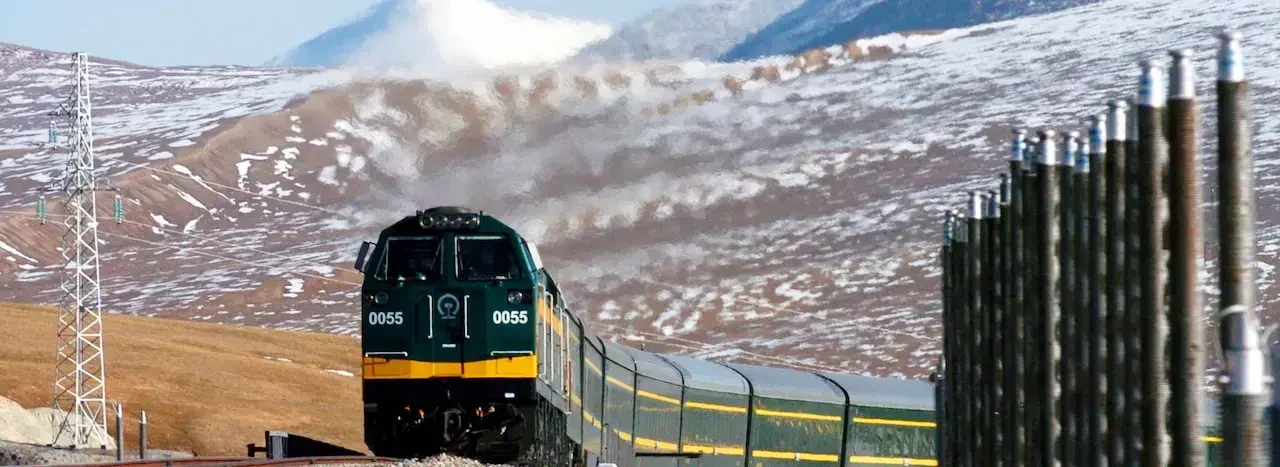
The train climbs slowly over a day or more and can help some people. Flying is faster and saves time, so keep the first day easy.
Can I get oxygen in Lhasa hotels?
Several hotels have oxygen-enriched rooms or oxygen cylinders. Ask when you book.
Is there a lower-altitude option?
Yes. Nyingchi is at 2,950 m and makes a gentle first stop or a calm second week.