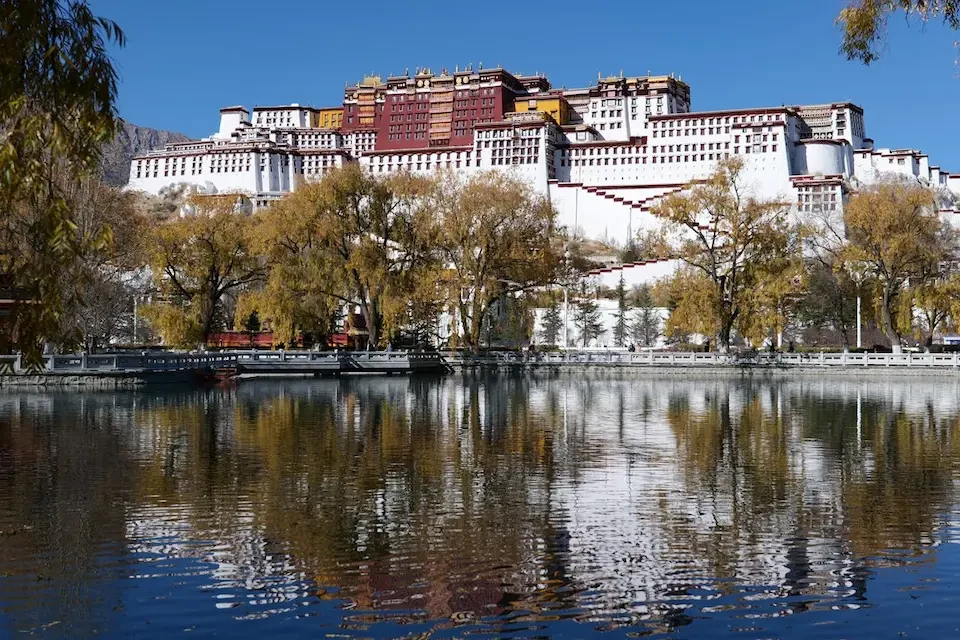
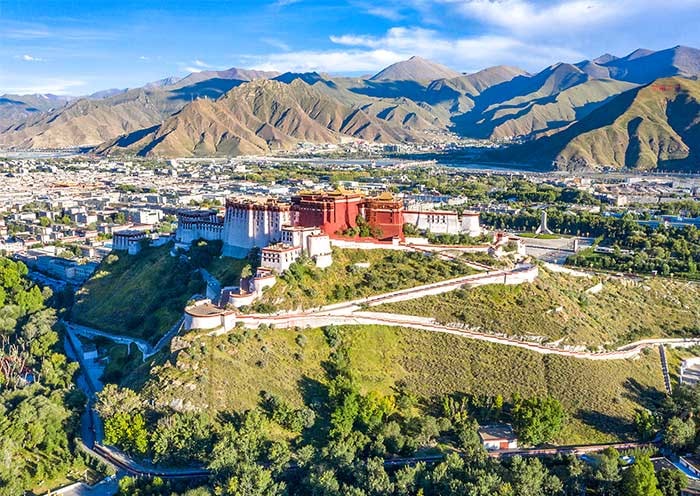
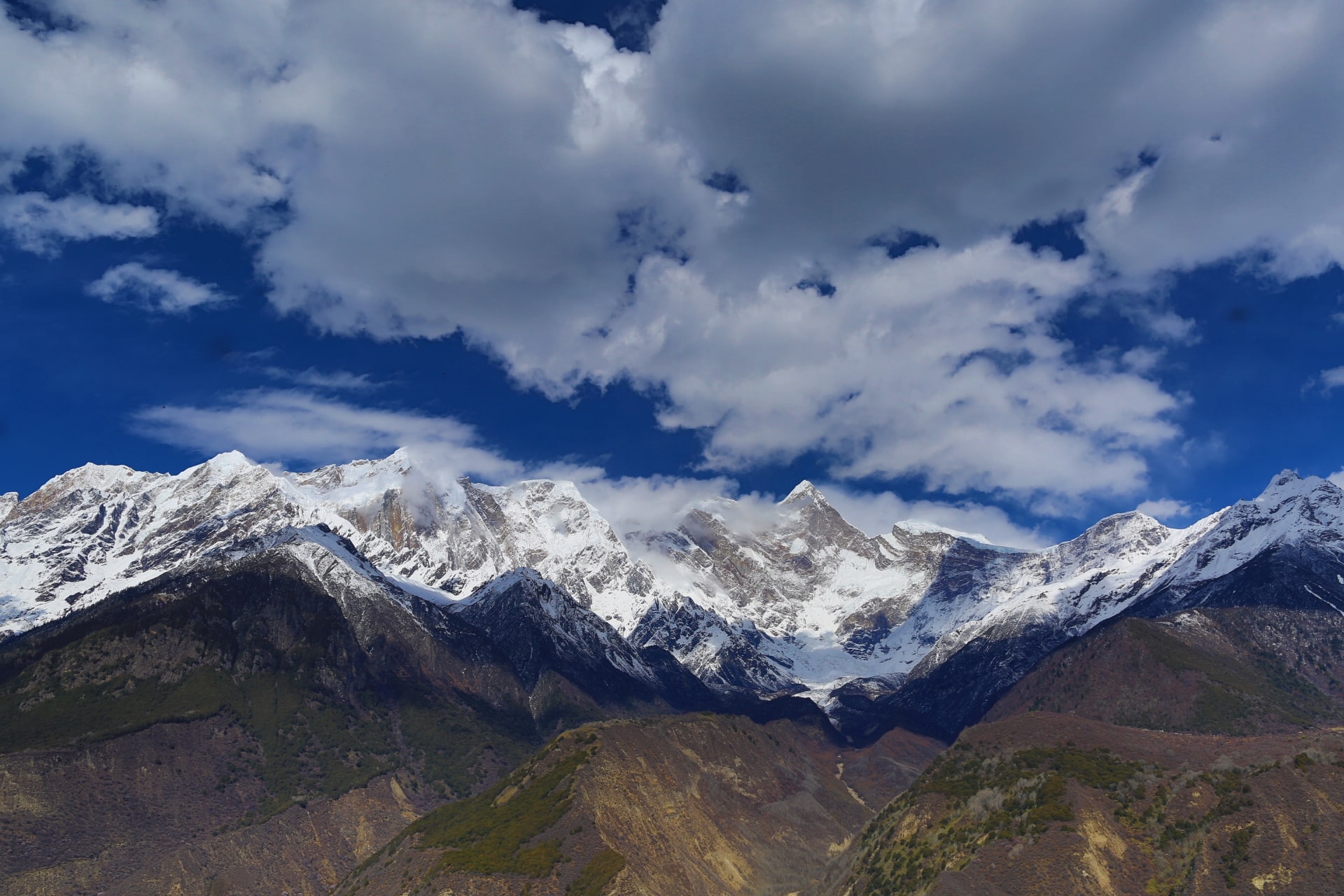
April to May and September to October are the two prime windows. During these transitional months, dry continental air keeps the sky crystal-clear, offering up to 90% cloud-free visibility of the North Face and pristine starry night skies.
High-Altitude Arctic Weather at 5,200 Meters
Tibet's Everest Base Camp (EBC) sits at an altitude of 5,200 meters (17,060 feet) in Tingri County, Shigatse Prefecture. The northern approach provides an unobstructed head-on view of Everest's iconic triangular pyramid north face. However, at this elevation, atmospheric pressure is roughly half that of sea level, and radiant heat dissipates into the thin upper atmosphere the moment twilight fades.
Even during midsummer in July and August, nighttime temperatures at EBC hover between 0°C and 4°C. From October through April, nights reliably drop to between -10°C and -20°C. Coupled with funneling valley winds exceeding 40–50 km/h, the wind chill factor requires serious, expedition-grade preparation.
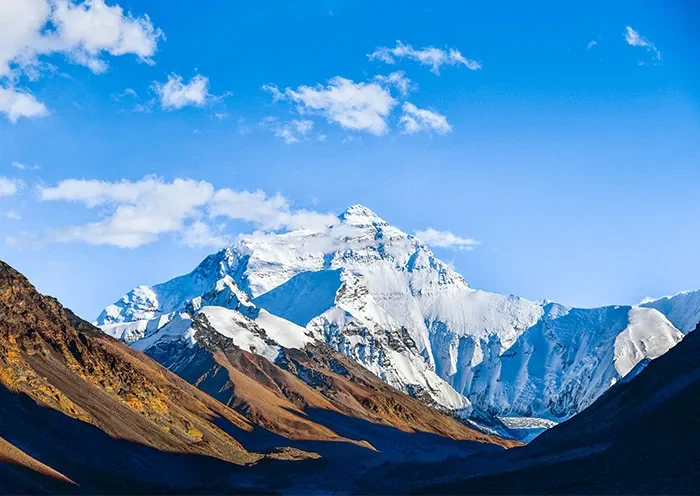
The Two Golden Viewing Windows: Spring & Autumn
Weather at Everest is dictated by the seasonal collision between dry continental high pressure and the moist Indian Ocean monsoon. This creates two distinct peak viewing seasons each year:
| Season | Months | Day / Night Temp (°C) | Everest Visibility | Key Advice |
|---|---|---|---|---|
| Spring Window | Apr – May | 12°C / -5°C | Over 85% cloud-free days; pristine skies | Climbing expedition season; pack winter parkas |
| Summer Monsoon | Jun – Aug | 18°C / 2°C | Intermittent clouds; summit visible at dawn/dusk | Highest oxygen; tent guesthouses fully open |
| Autumn Window | Sep – Oct | 10°C / -8°C | Over 90% cloud-free days; peak photography | Brilliant sunrise golden glow and Milky Way stars |
| Winter Freeze | Nov – Feb | 4°C / -18°C | 100% blue skies; intense piercing winds | Severe sub-zero cold; tent camps relocate to town |
Survival Clothing Blueprint for Overnighting at EBC
A winter expedition-grade down coat (700+ fill power) with a hood is essential for watching sunset and sunrise outside.
Heavyweight merino wool top and bottoms to sleep in inside the tent guesthouses.
Fierce winds on the gravel moraine cut through denim or knit sweatpants instantly.
Windproof fleece-lined mittens or ski gloves. Frostbite on fingers can happen rapidly when taking photos in -10°C winds.
Extreme cold drains smartphone and camera lithium batteries in minutes. Keep spare batteries inside your inner coat pockets with disposable heating pads.
Frequently Asked Questions About Everest Base Camp Weather
Are heavy winter coats available for rent at Everest Base Camp?
Yes. Local nomadic tent hosts and Rongbuk checkposts offer heavy Tibetan-style lined coats for rent (typically 50–100 RMB per day), saving luggage space.
Is EBC open to tourists during the winter months?
Yes. The road is paved and remains open throughout winter. However, the temporary nomad tent camp is packed away from late November to late March due to freezing pipes, and visitors stay in hotels in nearby Tingri or Rongbuk Monastery guesthouse.
How bad is the wind at Everest Base Camp?
Valley winds pick up daily around 3:00 PM and roar until midnight. Sturdy windbreakers and windproof beanies are mandatory.