The safe kora season runs from May to mid-October. June and September offer the finest balance of moderate daytime temperatures, minimal snow on the Drolma La pass (5,630m), and clear visibility. From November to late April, heavy snow and ice make the pass perilous and guest houses along the route close down.
The Extreme Alpine Climate of Ngari Prefecture
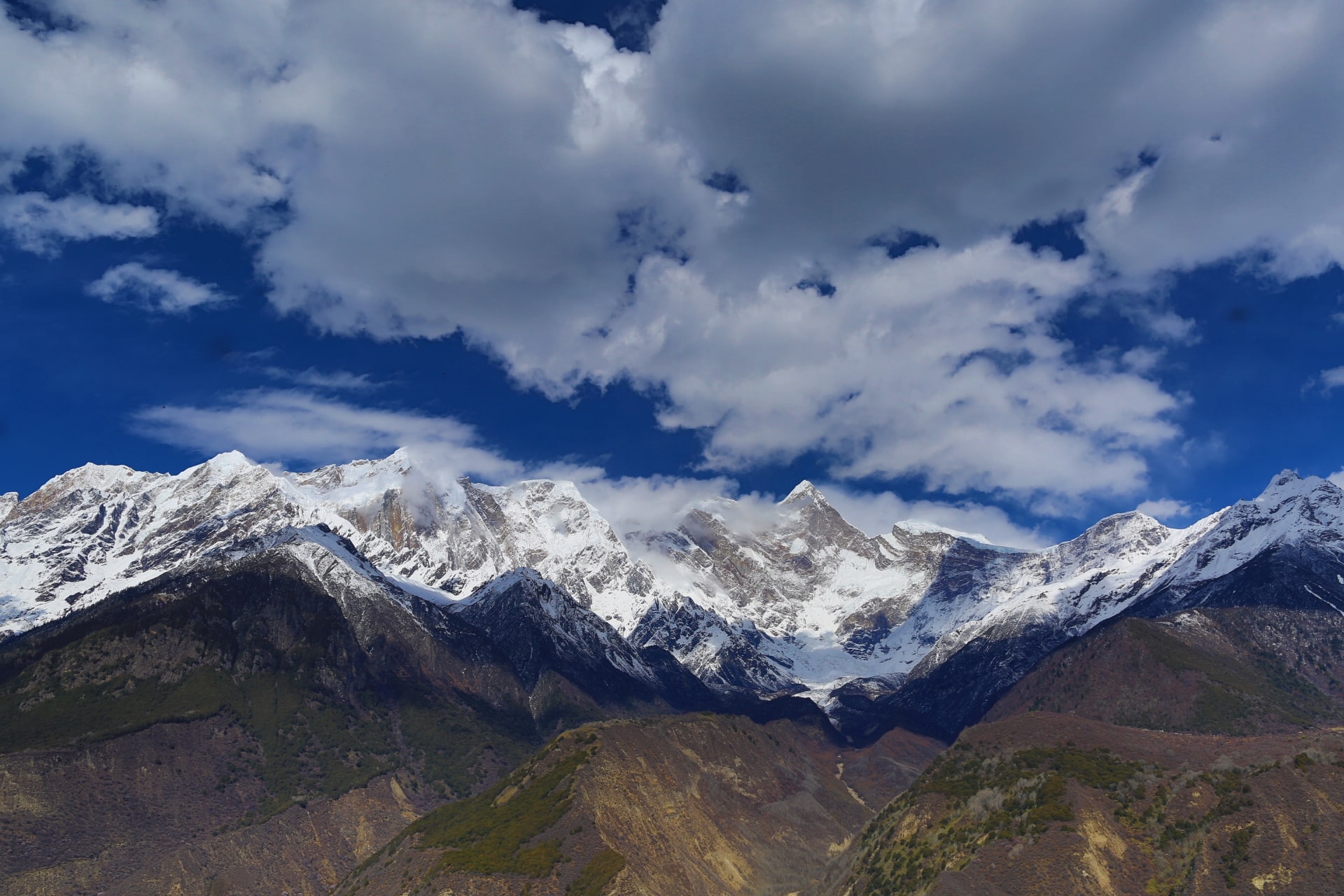
Ngari Prefecture in western Tibet is universally known as the 'Ridge of the Roof of the World.' At the trekking base of Darchen (4,675 m / 15,338 ft), atmospheric pressure drops to almost 55% of sea level. Nighttime temperatures routinely dip below freezing even during the warmest months of July and August. Across the barren gravel valleys, ferocious plateau winds whip up daily in the afternoon, dropping the perceived wind-chill temperature precipitously.
The crux of the sacred 52-kilometer circumambulation (Kora) is crossing the formidable Drolma La Pass (卓玛拉山口, 5,630 m / 18,471 ft). Here, sudden blizzards can strike within minutes, reducing visibility to zero and plunging temperatures to -15°C even in midsummer. Review the region's broader topography on our Ngari destination hub and mother weather overview in Tibet Weather by Month.
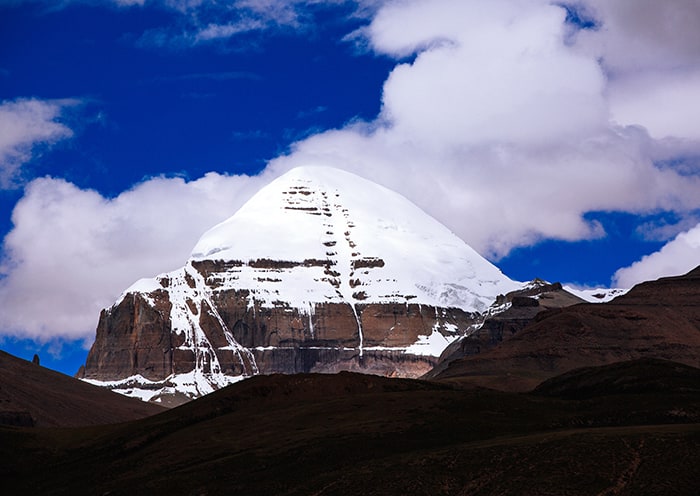
Monthly Trekking Conditions Along the 52km Kora Route
| Month | Darchen Temp (°C) | Drolma Pass Night (°C) | Trail & Pass Condition | Wind & Visibility |
|---|---|---|---|---|
| May | 10°C / -4°C | -12°C | Early season thaw; lingering ice on north face | Strong winds, crisp dry air, few trekkers |
| Jun | 16°C / 2°C | -5°C | Excellent trail conditions; Saga Dawa Festival peak | Pleasant daytime, high visibility |
| Jul – Aug | 18°C / 5°C | -2°C | Green valleys; occasional sleet or rain at Drolma La | Higher oxygen, clouds occasionally veil peak |
| Sep | 14°C / 0°C | -8°C | Prime autumn trekking: dry footing, deep cobalt skies | Crisp weather, stellar mountain clarity |
| Oct | 7°C / -6°C | -15°C | Late autumn freeze; heavy snow begins late October | Piercing winds; sub-zero daytime at pass |
| Nov – Apr | -2°C / -18°C | -28°C | STRICTLY CLOSED: Thick snowdrifts; teahouses shuttered | Lethal cold, blizzards, impassable passes |
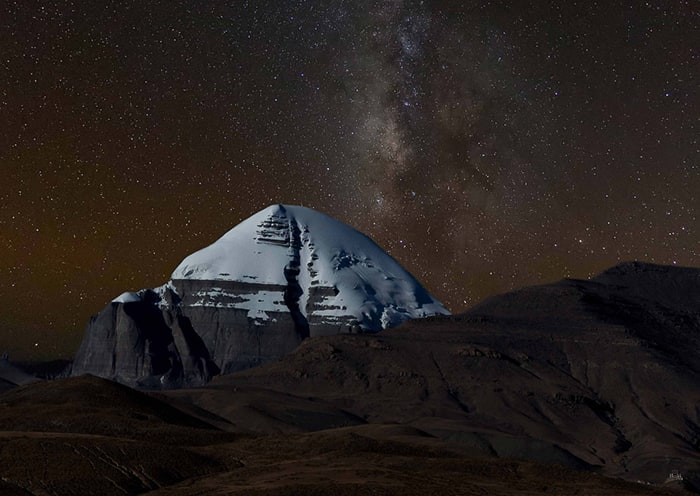
Essential Cold-Weather Gear for the Kailash Circumambulation
Because accommodations at Dirapuk Monastery (5,080 m) and Zutulpuk Monastery (4,820 m) consist of basic stone guesthouses with no central heating or insulation, your personal clothing system is your primary survival shelter:
Mandatory for nights in Dirapuk and early-morning ascents of Drolma La. Temperatures inside unheated stone rooms regularly drop to -5°C to -10°C.
Waterproof and completely windproof outer shell (Gore-Tex Pro or equivalent) to block gale-force pass winds.
Waterproof, ankle-high leather or synthetic hiking boots with rigid Vibram soles to negotiate slippery scree and icy snowmelt fields.
Non-negotiable. Relieves 25% of knee joint strain during the steep 800-meter rocky descent from Drolma La down to the valley floor.
Standard sunglasses are insufficient; glacier glasses prevent severe ultraviolet corneal burns. A windproof fleece balaclava protects your face from frostbite.
Frequently Asked Questions About Mount Kailash Weather
Can I attempt the Kailash kora in winter (November to April)?
No. The local tourism and border defense authorities strictly prohibit winter trekking. Heavy snowdrifts bury the trail over Drolma La Pass, temperatures drop past -25°C, and all supply teahouses are closed.
What should I do if a sudden blizzard hits Drolma La Pass?
Stay on the marked cairn path and remain close to your licensed Tibetan guide. Never attempt to take shortcuts across snowfields. If conditions become hazardous before the pass, retreat to Dirapuk guesthouse.
How cold does it get inside the guesthouses on the kora route?
Very cold. The guesthouses provide basic blankets, but they have no heating. Bringing your own four-season down sleeping bag rated to -15°C is strongly recommended for hygiene and warmth.