
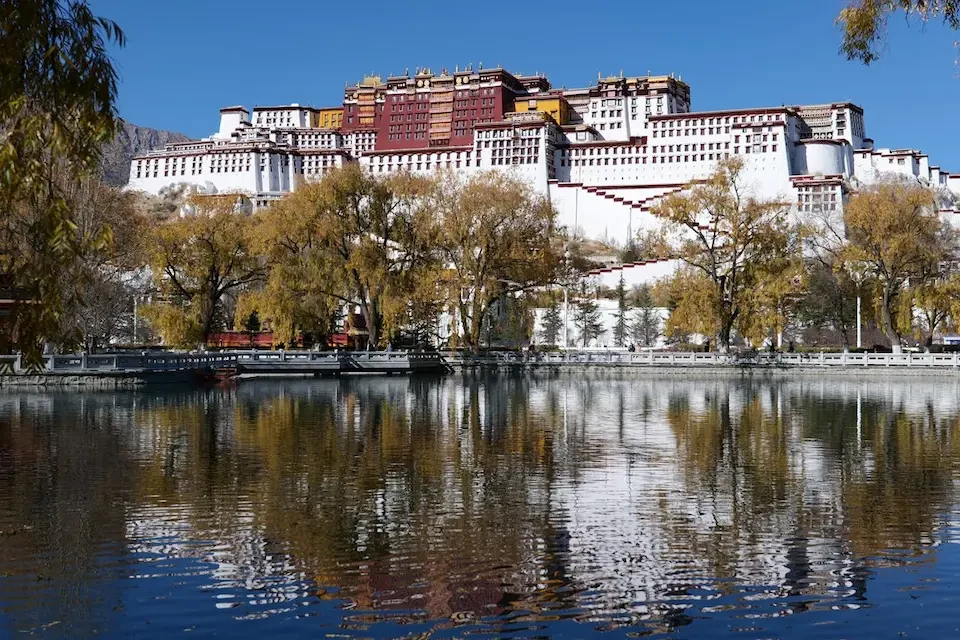
September to October is widely considered the golden window: monsoon rains have ceased, skies are brilliantly clear with high visibility for mountain views, and temperatures remain comfortable. April to May is also ideal for dry trekking weather and blooming peach blossoms.
Tibet's Macro Climate: Solar Radiation, Altitude & Diurnal Swings
The Tibetan Plateau sits at an average elevation exceeding 4,000 meters (13,120 feet), making it the highest plateau on Earth. Because the atmosphere at this altitude is approximately 40% thinner than at sea level, it traps very little radiant heat and provides minimal filtration against solar rays. This unique geography produces two defining meteorological signatures: extraordinarily powerful ultraviolet radiation during daylight hours, followed by rapid radiational cooling the moment the sun dips below the mountains. While daytime temperatures in valley cities like Lhasa or Tsedang often feel pleasantly warm (18°C to 24°C in summer), nighttime temperatures can plummet by 15°C to 20°C.
Another crucial factor is low atmospheric humidity. Aside from summer river valleys in eastern Tibet, plateau air is crisp and arid. Moisture evaporates rapidly from your skin and respiratory tract, meaning visitors must continuously hydrate and apply protective balms. For microclimate details in specific regions, consult our Lhasa Weather guide and Nyingchi Weather guide, or explore the overarching topography on our Tibet destination hub.
The Four Seasons in Tibet: When Should You Visit?
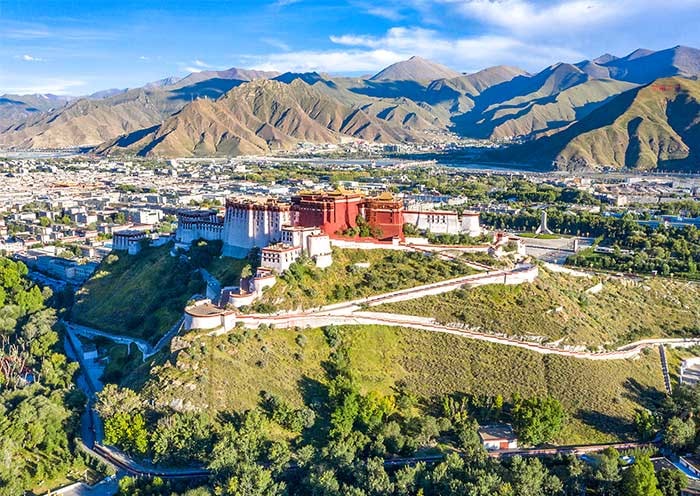
Tibet does not follow standard four-season temperate calendars. Instead, the year is characterized by distinct travel windows shaped by temperature, precipitation patterns, and pass navigability:
| Season | Months | Avg High / Low (°C) | Climate Character | Best Regions to Explore |
|---|---|---|---|---|
| Spring | Mar – May | 12°C / -1°C | Warming quickly, dry winds, peach blossoms blooming in the east | Lhasa, Nyingchi, Shannan |
| Summer | Jun – Aug | 22°C / 10°C | Mild temperatures, night rains, highest oxygen saturation | All regions, Lake Namtso, Mt Kailash |
| Autumn | Sep – Oct | 17°C / 3°C | Crisp cobalt skies, golden foliage, peak mountain visibility | EBC, Kailash Trek, Shigatse, Lhasa |
| Winter | Nov – Feb | 9°C / -7°C | Sunny & clear, peaceful monasteries, cold nights, discounted rates | Lhasa, Tsedang, Shigatse valley floor |
Debunking the Monsoon Myth: Summer Rains in Tibet
A frequent concern among first-time travelers is visiting during the summer monsoon (July and August). In tropical South Asia or coastal China, summer monsoons bring sustained, heavy daytime downpours that disrupt sightseeing. On the Tibetan Plateau, however, summer rainfall is predominantly nocturnal. High daytime solar heating causes river valleys to warm up; by late afternoon, convective clouds form over mountain ridges and shed showers between 9:00 PM and 6:00 AM.
By early morning, the clouds usually disperse, leaving crisp blue skies and moderate daytime temperatures around 20°C to 24°C. Moreover, summer rains stimulate plateau vegetation, increasing relative humidity and boosting ambient oxygen levels to roughly 65%–70% of sea level (compared to 55% during dry winter months). For families and senior travelers, summer offers the gentlest acclimatization environment.
Detailed Month-by-Month Weather & Travel Breakdown
Coldest month. Lhasa daytime highs reach 7°C under uninterrupted blue skies, while nights plunge to -8°C. High mountain passes over 5,000m like Namtso may close due to drifting snow. Perfect for uncrowded temple visits.
Cold and dry. Tibetan New Year (Losar) festivities fill Lhasa with pilgrimage devotion. Days are sunny, but dry winds increase in the afternoon. Winter clothing with heavy thermal insulation is essential.
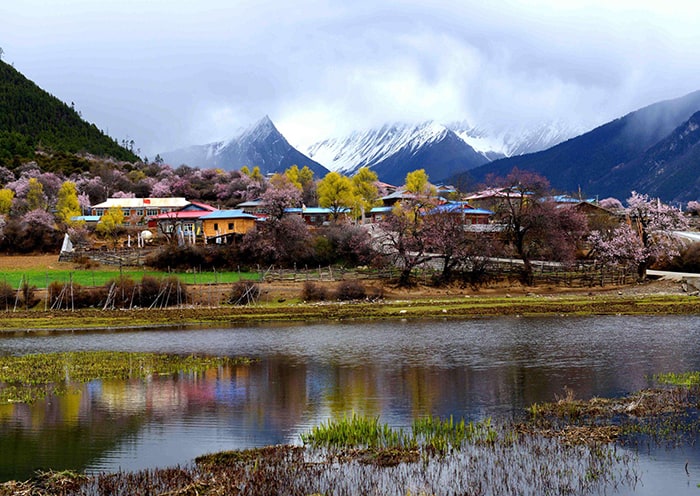
Plateau transition period. The wild peach blossoms of Nyingchi begin blooming in late March. High passes begin thawing. Temperatures rise to 12°C in Lhasa and 15°C in Nyingchi valley.
Peak spring season. Nyingchi Peach Blossom Festival attracts photographers. Road conditions improve steadily along the Friendship Highway between Lhasa and Shigatse. Warm days (16°C), cool nights (1°C).
One of the best trekking months. Clear skies, minimal rain, and moderate daytime temperatures (18°C) make May prime for the Saga Dawa festival and commencing Mount Kailash kora treks.
Start of summer. Pastures turn lush emerald green and nomadic yak herds dot the plains. Daytime temperatures hover around 22°C. Excellent conditions for touring Lake Namtso.
Warmest month and peak tourist season. High oxygen levels reduce altitude sickness symptoms. Rain falls mostly at night. Afternoon showers are brief. Light layers for daytime; fleece jacket for evenings.
High summer festive season with Shoton Festival yogurt banquets and horse racing. Mild, comfortable plateau weather (22°C / 10°C). Bring a waterproof shell for intermittent daytime squalls.
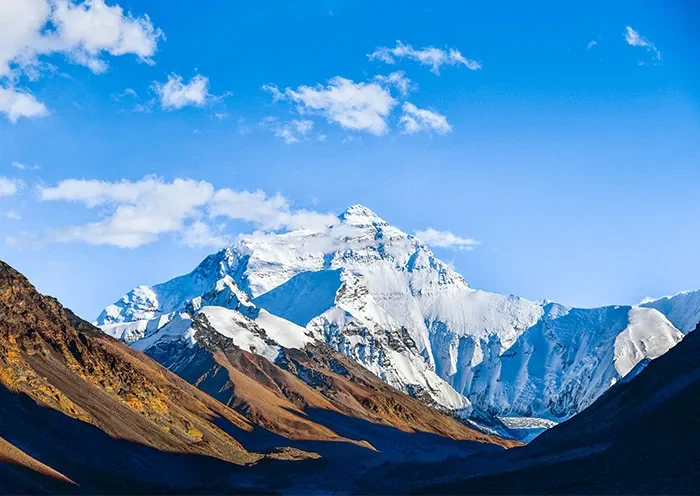
The golden travel window begins. Monsoon rains taper off completely by mid-September. The plateau air turns crystal-clear, opening world-class visibility for Mount Everest North Face.
Arguably the single best month for plateau photography. Deep cobalt skies, golden poplar trees lining the Lhasa River, and dry, stable trekking conditions across Central and Western Tibet.
Early winter arrives. Tourist crowds disperse and hotel prices fall by 40%–50%. Clear, bright sunny days (10°C) with freezing nights (-5°C). Snow begins dusting high passes, but Lhasa remains pleasant.
Crisp winter serenity. Tibetan pilgrims from Amdo and Kham arrive in droves to circumambulate the Barkhor. Deeply spiritual atmosphere. Sunny daytime highs around 8°C make courtyard visits surprisingly mild.
The 3-Layer Packing System (洋葱穿衣法则)
Because temperatures on the Tibetan Plateau can swing by 20°C in a single day, packing single bulky winter coats is a common beginner mistake. When you enter a sun-warmed courtyard or climb temple steps, a heavy parka will leave you sweating; when you step into shaded monastery corridors or evening winds, the sweat chills rapidly, increasing altitude sickness vulnerability. Instead, strictly follow the 3-layer system:
Wear lightweight or midweight merino wool or synthetic thermal underwear. Merino wool naturally regulates body temperature, resists odor over multi-day journeys, and wicks away sweat. Avoid 100% cotton.
A high-loft fleece jacket (Polartec 200/300) or an ultralight packable down jacket (650–800 fill power). This layer traps your body warmth and can be zipped off instantly when temperatures rise.
A waterproof, windproof, and breathable hardshell jacket (e.g., Gore-Tex, eVent, or Pertex). Plateau winds are fierce on open mountain passes, and a windproof barrier prevents rapid convective heat loss.
Broken-in hiking shoes or sturdy walking sneakers with good grip. Cobblestones around Jokhang Temple and gravel paths at Everest Base Camp require ankle stability. Bring 3–4 pairs of medium-cushion wool socks.
Category 3 or 4 UV-400 polarized sunglasses (essential to prevent snow blindness and retinal glare), broad-spectrum SPF 50+ sunscreen, SPF lip balm, and rich hydrating face cream.
Frequently Asked Questions About Tibet Weather
Is Tibet too cold to travel during the winter months?
Valley cities like Lhasa, Tsedang, and Shigatse are surprisingly pleasant in winter. Lhasa receives over 8 hours of brilliant daily sunshine, and daytime temperatures hover between 8°C and 10°C—warmer than winter in Beijing or Frankfurt. However, high-altitude passes and remote lakes like Namtso can experience severe sub-zero cold and road blockages.
Does it rain all day during the July and August monsoon?
No. Over 80% of summer precipitation falls overnight between 9:00 PM and 6:00 AM. Mornings and afternoons are generally sunny with scattered fluffy clouds, making summer one of the greenest and most vibrant times to visit.
Do I need heavy arctic gear for Mount Everest Base Camp?
At 5,200m (17,060ft), EBC is cold year-round. Even in July and August, nighttime temperatures fall near 0°C. In April, May, September, and October, nights dip between -5°C and -15°C. A heavy down parka, thermal gloves, fleece beanie, and warm boots are required. Heavy down coats are also available for rental on-site.
How does plateau dryness affect the human body?
High elevation combined with low humidity accelerates body water loss by up to 50% through respiration. Drink at least 2.5 to 3 liters of warm water daily, avoid excessive alcohol or coffee which cause dehydration, and use saline nasal spray to prevent nasal dryness and nosebleeds.