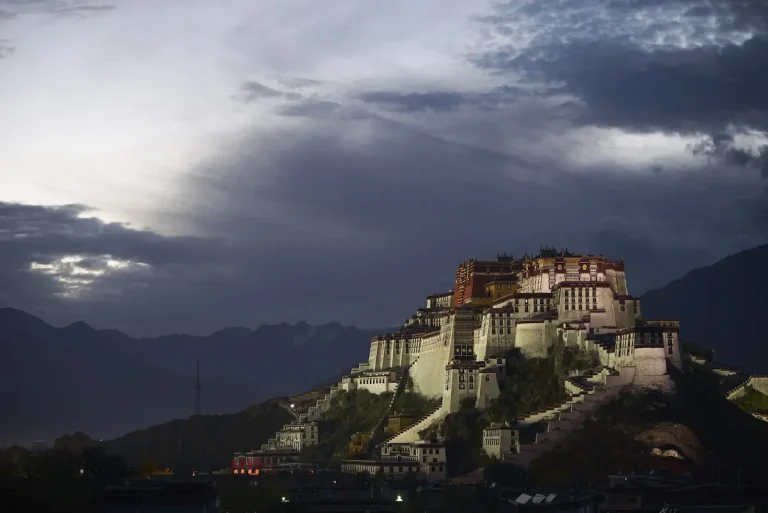
Key figures in Tibetan history, and where to find them
Seven names explain most of what a traveller sees in Tibet. They span thirteen centuries — from Songtsen Gampo, the 7th-century king who moved his capital to Lhasa,…
Read the guide
Kings, translators, lamas and the pilgrims still walking the kora
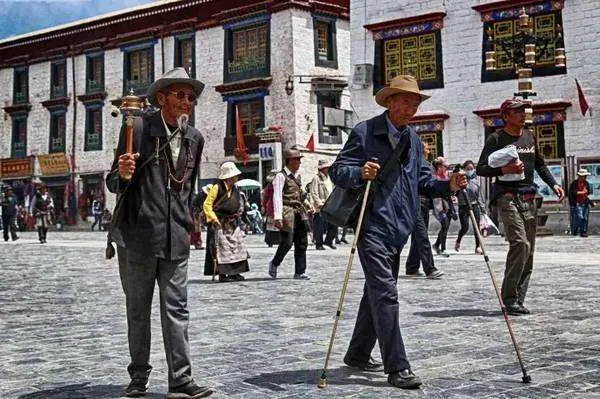
Tibetan culture is best read through its people: the seventh-century king who unified the plateau, the teachers who carried Buddhism over the Himalaya, and the pilgrims who still circle the Jokhang at dawn with prayer wheels turning. The monuments make sense once you know whose stories they hold.
This channel introduces the figures and the living customs — who built what and why, how the faith calendar shapes a year, and how to meet people respectfully as a visitor. Start with the key figures guide, then look for their traces at the Potala and around the Barkhor.
Seven names explain most of what a traveller sees in Tibet. They span thirteen centuries — from Songtsen Gampo, the 7th-century king who moved his capital to Lhasa,…
Read the guideFour names unlock most of what you will see. Songtsen Gampo unified Tibet in the seventh century and founded the Jokhang; Princess Wencheng arrived from the Tang court with the Jowo statue that still anchors Tibetan devotion; Tsongkhapa founded the Gelug school and Ganden Monastery in the early fifteenth century; and the Fifth Dalai Lama built the Potala Palace into the form that dominates Lhasa today. The key figures guide tells each story and maps it to the places where you can stand.
Tibetan Buddhism is not a museum religion — it structures the day. Pilgrims walk the kora (the clockwise circuit around any sacred site) before work; butter lamps burn in every chapel; prayer flags carry mantras from the passes. The festival calendar runs on the Tibetan lunar year, so dates shift annually:
| Festival | Usual timing | What happens |
|---|---|---|
| Losar (Tibetan New Year) | February–March | Family feasts, monastery rituals, new prayer flags |
| Saga Dawa | May–June | The holiest month — kora routes fill with pilgrims |
| Shoton | August | Giant thangka unveiling at Drepung, opera at Norbulingka |
The etiquette is short and worth knowing: walk kora routes and circle monasteries clockwise, ask before photographing pilgrims, dress modestly inside chapels, and expect interior photography to be restricted or paid. The sweet tea house is the easiest natural meeting point — long benches, shared tables, and conversation that needs little vocabulary. On a private tour your guide doubles as interpreter, which turns monastery visits from sightseeing into conversation.
Tibetan, with Mandarin Chinese widely spoken in cities and schools. English is limited to guides and tourist-facing businesses — a few Tibetan greetings (tashi delek) go a long way.
A clockwise circuit walked around a sacred site — a temple, a monastery, a lake or a whole mountain. The Barkhor in Lhasa is the most famous urban kora; joining it (clockwise, with the flow) is welcomed.
Ask first for portraits — most pilgrims will say yes. Interior photography in chapels is usually forbidden or carries a posted fee; outside courtyards are generally fine.
Yes, with the usual permits and a guided itinerary. Saga Dawa and Shoton are the two most rewarding for visitors — plan early, because permits and hotels tighten around them.
Generally yes, quietly and without flash — the morning chanting at the great Gelug monasteries is one of the most powerful things a visitor can witness. Your guide will know which halls are open.