Tibet travel essentials: planning a first trip
A first trip to Tibet runs on four fixed facts: every foreign passport needs a Tibet Travel Permit filed 15–20 working days ahead; independent travel is not available,…
Read the guide
Permit clocks, 3,656 m nights and the two clear-sky booking windows
Tibet rewards the well-prepared: the Tibet Travel Permit takes 15–20 working days through a registered agency, Lhasa sits at 3,656 m where your first 48 hours set the tone for the whole trip, and the weather divides the year into two clear booking windows either side of the summer rain.
This channel holds the groundwork — first-trip essentials, month-by-month weather, and the planning timeline that makes everything else easier. Read the essentials guide first; almost every Tibet question funnels back to permits, altitude or timing.
A first trip to Tibet runs on four fixed facts: every foreign passport needs a Tibet Travel Permit filed 15–20 working days ahead; independent travel is not available,…
Read the guide
Lhasa records around 3,000 hours of sunshine a year — more than almost any other city in China — and most of its roughly 440 mm of annual rain falls between June and September, much of it at night
Read the guideIndependent travel is not possible in Tibet: every foreign visitor needs a Tibet Travel Permit arranged through a registered agency, attached to a guided itinerary. The sequence is fixed — Chinese visa first (or a Tibet Group Visa if entering from Nepal), then the booking, then the permit, which takes 15–20 working days. Work backwards from your travel date and the rest of the planning falls into place; the first-trip essentials guide walks the whole sequence.
Lhasa is where most trips begin, and its altitude is the trip’s first fact. The working rules: no exertion on day one, no alcohol for the first two days, drink more water than feels natural, and let the itinerary climb gradually. Travellers with heart or lung conditions should talk to a doctor before booking.
| Place | Altitude | Note |
|---|---|---|
| Lhasa Gonggar Airport | 3,570 m | Where flights arrive — take the first day slowly |
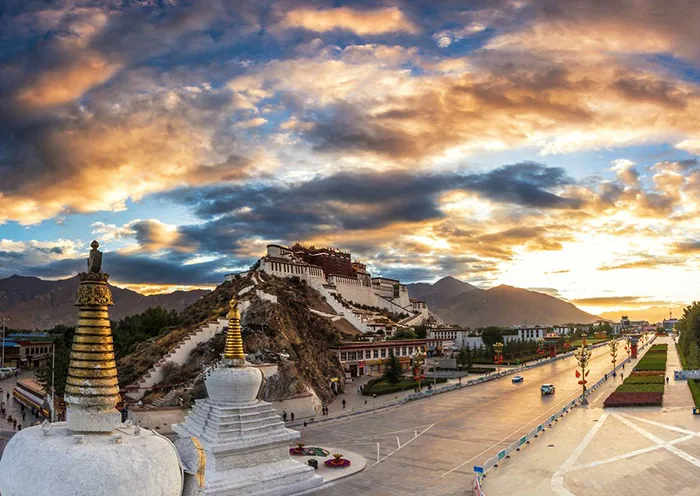
| Lhasa city | 3,656 m | Two nights here before going higher is the standard pacing |
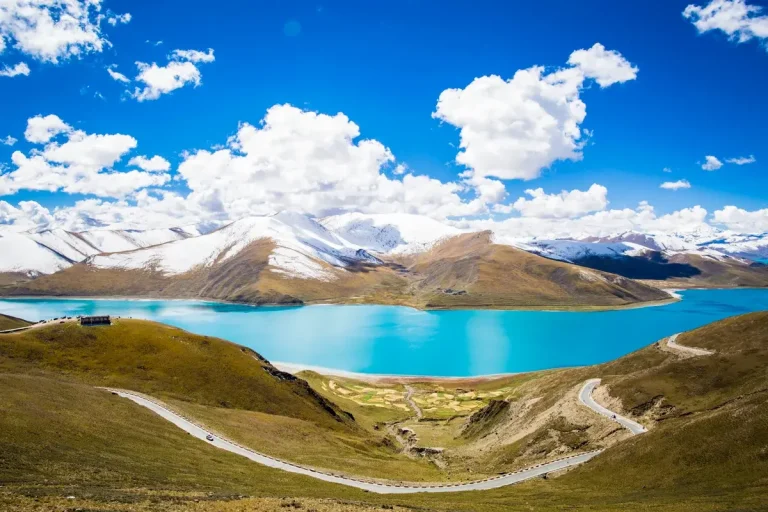
| Yamdrok Lake | 4,441 m | Typical first high-altitude day trip |
| Namtso Lake | 4,718 m | Sleep lower; visit as a day trip if sensitive |
| Tanggula Pass (rail) | 5,072 m | The railway’s highest point — oxygen flows in the carriages |
Cash and mobile payment carry Tibet: WeChat Pay and Alipay both work for foreign cards if set up before arrival, while credit cards are rarely accepted outside larger hotels. Weather splits the year cleanly — April–May and September–October are the clear-sky windows, June–September brings afternoon and night rain, and winter is cold, bright and quiet. Pack in layers with serious sun protection; the plateau sun is stronger than the thermometer suggests. The month-by-month weather guide settles the timing question properly.
Six to eight weeks minimum. The permit alone takes 15–20 working days after your booking is confirmed, and train berths or festival-season hotels need lead time on top of that.
No. Foreign visitors travel on a guided itinerary with a licensed guide and tour vehicle. You do get free time in Lhasa — evenings and the Barkhor are yours to wander.
April–May and September–October offer the most reliable clear skies. Summer is greener but rainier; winter is cold, bright and at its most local. The weather guide breaks it down month by month.
Rarely, outside large hotels. Set up WeChat Pay or Alipay with your home card before arrival and carry some cash as backup — both habits cover essentially every transaction.
Mild symptoms — headache, broken sleep, shortness of breath — are common in the first 48 hours and usually pass with rest. Serious cases are rare on sensibly paced itineraries; the answer is pacing, hydration and honesty with your guide, who deals with this weekly.