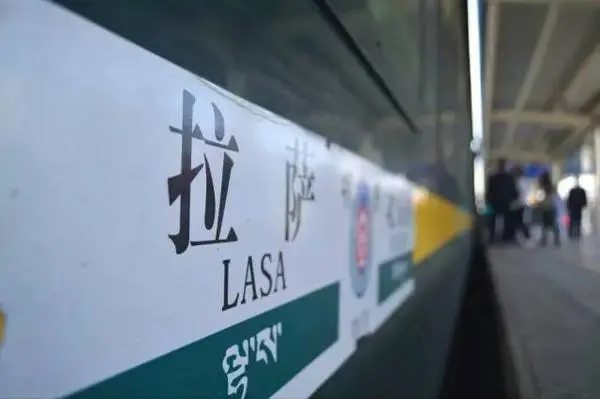
Getting to Tibet: flight, train or overland
There are three ways into Tibet for foreign travellers: fly to Lhasa from a Chinese gateway city or Kathmandu, ride the Qinghai–Tibet Railway from Xining or beyond, or…
Read the guide
The 1,956 km railway, gateway flights and the road from Kathmandu
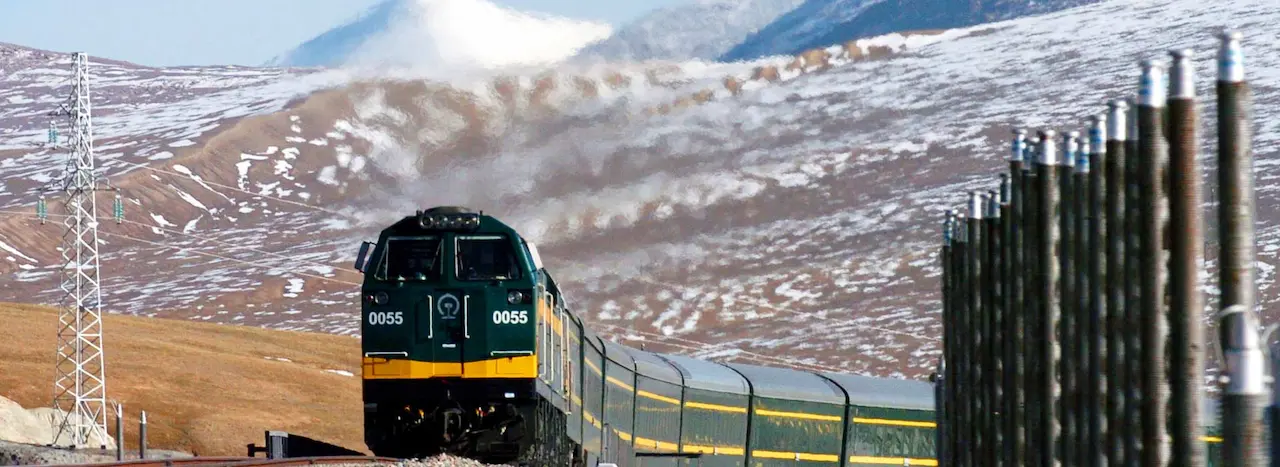
Every Tibet trip starts with the same decision: fly into Lhasa Gonggar Airport at 3,570 m, ride the Qinghai–Tibet Railway over the 5,072 m Tanggula Pass, or come overland from Kathmandu through the Gyirong border. Each route changes how your body meets the altitude — and each comes with its own permit paperwork.
This channel compares the options properly: the full getting-to-Tibet decision, a dedicated guide to the railway itself, and the ground rules for moving around once you arrive — where foreign travellers ride in a tour vehicle with a licensed guide rather than on public transport.
There are three ways into Tibet for foreign travellers: fly to Lhasa from a Chinese gateway city or Kathmandu, ride the Qinghai–Tibet Railway from Xining or beyond, or…
Read the guide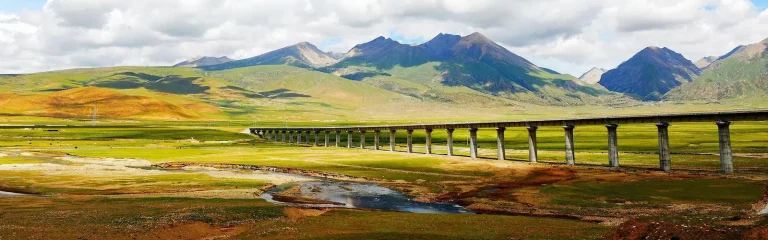
The Qinghai–Tibet Railway runs 1,956 km from Xining to Lhasa and crosses the Tanggula Pass at 5,072 m — the highest point reached by any railway on earth.
Read the guideForeign travellers reach Tibet three ways. Flights are quickest — about two hours from Chengdu, with connections from most major Chinese cities. The Qinghai–Tibet Railway takes around 21 hours from Xining and crosses the highest rail pass on earth. The overland route from Kathmandu enters at Gyirong and swaps the Chinese visa for a Tibet Group Visa. Whichever you choose, the Tibet Travel Permit must be issued before you board — the full comparison lives in our getting to Tibet guide.
| Route | Journey time | Altitude profile | Best for |
|---|---|---|---|
| Flight via Chengdu or Xining | ~2 hours | Direct jump to 3,570 m | Short itineraries, tight schedules |
| Train from Xining | ~21 hours | Climbs gradually, tops out at 5,072 m | The views — Cuona Lake, the Tanggula crossing |
| Overland from Kathmandu | 1–2 days | Crosses 5,000 m passes early | Combining Nepal and Tibet in one trip |
The permit takes 15–20 working days through a registered agency, so the paperwork — not the ticket — sets your planning clock. Train berths sell out fast for July, August and the national holidays; book the moment your dates are firm. Flights are easier to find but arrive with no acclimatisation at all, which makes your first 48 hours in Lhasa matter more.
Outside Lhasa, foreign travellers don’t use intercity buses or self-drive: all travel runs in a tour vehicle with a licensed guide, which is also how the checkpoints along the Friendship Highway expect to meet you. Within Lhasa city you can walk and take taxis freely on your own time. Airport and station pickups are part of any organised itinerary — see our train tours and Nepal overland tours for how the routes get packaged.
Within Lhasa city, yes — taxis and walking are fine in your free time. Between cities, no: foreign travellers move in a tour vehicle with a licensed guide, and checkpoints along the highways are built around that assumption.
Less than the brochures suggest. The train does climb gradually, but you still sleep one night above 4,000 m in a moving carriage. Either way, the rule that matters is the same: take the first 48 hours in Lhasa slowly.
About 21 hours from Xining, where the dedicated high-altitude line begins. From Beijing or Shanghai the full run takes around two days; many travellers fly to Xining and board there.
Yes. The Tibet Travel Permit is checked at airport check-in and at rail boarding for Lhasa-bound services — your tour operator arranges for it to reach you before departure. Allow 15–20 working days for processing.
Not as an ordinary visitor. All driving is done by licensed local drivers in registered tour vehicles — itineraries price this in, so the road trips happen, just not behind the wheel.